
Nevada Electrical Contractor License: The C-2 Path Explained
Every electrical career in this state has a visible summit: the Nevada electrical contractor license. In short, the C-2 classification lets you bid work, pull permits, and run your own electrical company. Most electricians never need it; the ambitious ones plan for it from year one. Here is what the license is and what it takes. Also, here is how the whole path stacks from your first day of training.
Above: a master electrician on the podcast describing the climb this post maps — including the ownership question at the top.
What the C-2 License Actually Is
Nevada licenses electrical contracting at the state level through the Nevada State Contractors Board. The C-2 electrical classification is the license a business needs to contract electrical work. That means bidding jobs, pulling permits, hiring electricians, and carrying the legal responsibility. It is a business-plus-competence credential, distinct from the Clark County journeyman card that certifies an individual electrician’s field qualification.
What the Board Looks For
Broad strokes — always confirm current requirements with the NSCB directly. First, you need documented years of qualifying experience at journeyman level or above. Second, you must pass trade and business/law examinations. Third, the board reviews your financial fitness and sets a monetary limit on the size of jobs you may contract. Finally, you need bonding and insurance. None of it is easy by design. However, all of it is reachable for a working electrician who plans ahead.
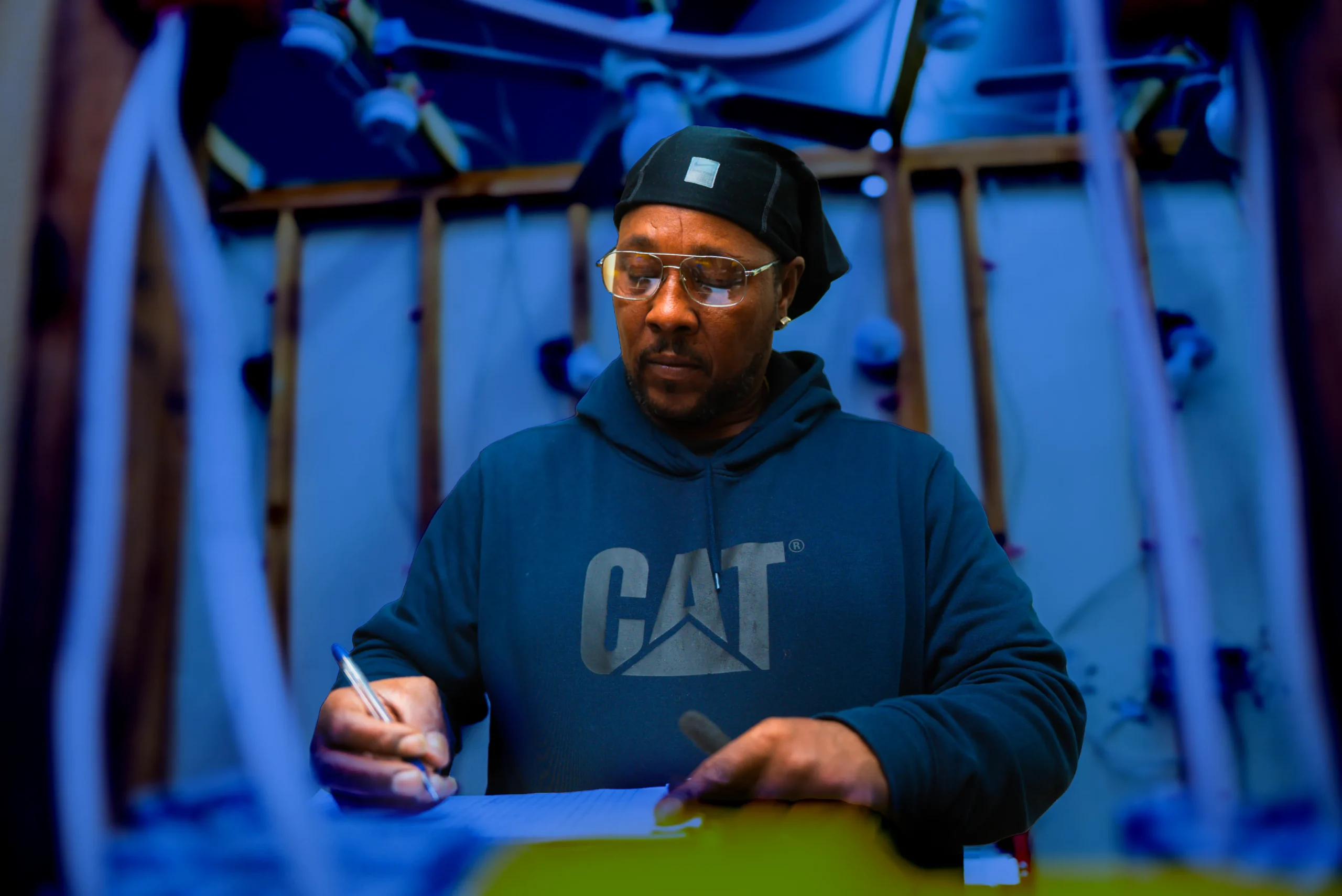
Why Bother? The Ownership Math
As an employee, your ceiling is the best hourly rate in town. As a licensed contractor, your ceiling is whatever your company can bid, win, and staff. After all, this is a valley where construction, resorts, and data centers generate more electrical work than the market can absorb (see our trades shortage analysis). Several Quality Training Centers graduates have made this exact climb, and their stories share a pattern. The license did not change what they knew. Instead, it changed who kept the margin.
The Realistic Timeline, Stacked
- Weeks 1–12: training — fundamentals, wiring, conduit, panels, code habits, in our electrical program.
- Years 1–4+: paid field work under licensed contractors, hours documented relentlessly, journeyman card earned when Clark County’s requirements are met.
- Years 4–8: journeyman-level work, supervision experience, money habits — the board will look at your finances, so your credit and savings are part of your license prep.
- When ready: NSCB application, exams, bond — and your name on the truck.
Prepare for the Business Side Early
The trade exam tests what your career teaches; the business and law exam tests what most electricians never studied: contracts, lien law, payroll, insurance, job costing. The future owners in any crew are recognizable years early — they ask why bids win or lose, watch how change orders work, and treat every employer as a free masterclass in running (or mis-running) a company. Start that habit in year one and the business exam becomes review instead of revelation.
If Ownership Is Not Your Goal
Skip the license guilt-free — most excellent careers top out at journeyman, lead, foreman, or estimator, with pay to match (see the salary ladder). The C-2 is for those who want the business itself. The beauty of this trade is that the same first steps — training, hours, card — serve both destinies, so you can defer the ownership question for years without losing a day.
The Monetary Limit, Demystified
One C-2 detail that surprises applicants: the license comes with a monetary limit — a cap on the contract size your company may take, set by the board based on your financial picture. New contractors typically start with modest limits and petition upward as their balance sheet and history grow. Practically, that means your first licensed year might be service work and small jobs rather than casino contracts — and that is fine. Limits grow with the business; what matters is being in the game, keeping the margin, and building the record that raises the ceiling.
Common Mistakes on the Contractor Path
Three stumbles our instructors have watched talented electricians make. Undocumented experience: years of great work that nobody can verify is worth little to a licensing board — keep records from day one. Neglected personal finances: the board reads your financial fitness, so the years of maxed cards and no savings can delay a license the trade skills earned. And going solo too early: launching without supervision experience or a customer pipeline turns a great electrician into a struggling businessperson. The fix for all three is the same — treat the license as a decade-long project you are always quietly preparing for.
Where Training Fits a Contractor’s Story
Ask licensed contractors where their path started and almost none say “the application.” They point to the day they got serious — often a training program that turned interest into fundamentals. Our 12 weeks will not make you a contractor; they make you the kind of first-year electrician whose hours, habits, and code fluency compound toward one. That is the honest pitch, and it has been true since 1994.
Frequently Asked Questions
What is a C-2 license in Nevada?
The C-2 is the Nevada State Contractors Board electrical contracting classification — the license a business needs to bid electrical work, pull permits, and operate an electrical contracting company in the state.
How long does it take to get a Nevada electrical contractor license?
Plan on years: documented journeyman-level experience, trade and business/law exams, plus financial review, bonding, and insurance. Most electricians who pursue it apply after roughly four to eight years in the trade. Confirm current requirements with the NSCB.
Is a journeyman card the same as a contractor license?
No. The Clark County journeyman card certifies an individual electrician\u2019s qualification; the state C-2 license authorizes a business to contract electrical work. The typical path earns the card first, the license later.
Can I work as an electrician in Nevada without a C-2?
Yes — the C-2 is only required to contract work as a business. Electricians work for licensed contractors throughout their careers without ever holding one.
The Summit Starts at the Trailhead
Every licensed contractor in this valley once stood where you are — untrained, deciding. Tour the campus, start the 12 weeks, and let the ladder do what it has done since 1994. Funding paths from WIOA to financing cover the trailhead; the summit pays for itself.
